God Powers in God Simulator
Lightning, terrain, weather, and volcanoes — used with intent, not spam.
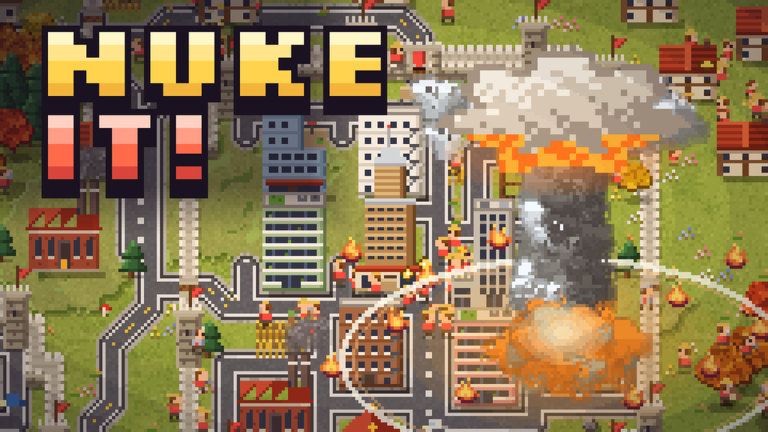
Divine powers are why players queue God Simulator. You overlook a sealed jar world and reach for tools that mortals inside cannot stop: lightning, volcanoes, terrain tools, weather, and wider disasters. This guide explains how to use those abilities as a designer of stories — not only as a delete button. Pair it with Controls for aiming and Disasters for high-chaos set pieces.
Power fantasy, sandbox responsibility
The loop is simple: civilizations grow, you intervene, they react. Powers shine when they create contrast — a peaceful valley suddenly tested by storm, a mountain pass opened by terrain edits, a war ended by a surgical strike. Powers fail when every session is identical rubble. Before casting, ask what you want the jar to look like five minutes later.
If you are still learning the UI, finish Getting Started first. Powers without a living town teach little about feedback.
Terrain tools
Terrain tools are the quiet backbone of good god play. Raise plateaus for dwarf-style holds, carve rivers toward farms, or wall off a region so two races develop separately. Terrain changes also set up later disasters: a volcano on a prepared peak reads better than a random blast on flat starter grass.
Use terrain when you want permanent structure. Unlike a one-off lightning bolt, land edits keep shaping pathing and settlement logic for the rest of the session. Co-gods should agree who owns terraforming rights in each sector — see Co-Gods.
Weather
Weather is mid-intensity storytelling. Shifting conditions across the jar changes mood, farming vibes, and how readable the glass globe feels during day and night. Weather is ideal when you want pressure without instant extinction. It also teaches newcomers cause and effect: change the sky, watch the world respond, then decide whether to escalate.
Combine weather with patient observation. If a town already struggles, a harsh front may finish it; if a town thrives, the same front becomes a memorable trial.
Lightning
Lightning is the precision instrument. Use it to:
- Punish a battlefield edge without erasing both armies.
- Strike empty ridges for spectacle while friends watch.
- Signal “god anger” during co-god roleplay without opening a full volcano.
Because lightning feels good to spam, set a personal rule: name the target before you click. If you cannot describe why that tile deserves a bolt, choose weather or wait. Misaimed lightning on your only capital is a rite of passage — once is enough.
Volcanoes
Volcanoes are signature disasters with long shadows. They reshape land, delete districts, and dominate screenshots. Treat them as scheduled events, not background noise. Announce volcano plays in co-op, relocate prized settlements first if you care about them, or deliberately sacrifice a region as a narrative climax.
After an eruption, pause. Let ash settle in your planning brain. Rebuild with terrain and placement tools, or leave a ruined biome as history. More eruption planning lives in Disasters.
Broader disaster tools
Beyond named classics, expect kit pieces that flood, quake, or otherwise stress the jar. The design rule stays constant: match tool scale to your goal. Wide disasters are for resets, finales, and chaos nights. Narrow tools are for steering an ongoing civilization story. Browse race-specific fragility notes in Civilizations so you know which towns bounce back faster after punishment.
Suggested loadout mindsets
Caretaker god — terrain + mild weather; lightning rare; volcanoes reserved. Dramatist god — weather and lightning on a timer; one volcano per major act. Chaos host — disasters on request for a six-player audience; clear consent rules. Builder-first — terraforming locked to you; others handle cosmetics and weather.
Pick a mindset for the session and tell co-gods. Mixed mindsets without talk cause conflict faster than any orc raid.
Practice curriculum
- Terrain-only session: reshape two biomes, place no disasters.
- Weather-only session: pressure one thriving town, keep it alive.
- Lightning clinic: ten bolts on empty land, then three tactical bolts near conflict.
- Volcano finale: prepare land, evacuate or accept loss, erupt once, rebuild.
This curriculum builds muscle memory for the left panels and camera framing described in the controls guide.
Progression and meta notes
God Simulator is a sandbox first. There is not a single ranked “win” condition like a competitive shooter. Still, communities compare stylish power use, durable megatowns, and creative co-god shows. When evaluating strength of options, check Tier List and Players for how the wiki frames races and playstyles — then verify against the live build after patches on Updates.
Do not trust random script menus that promise infinite powers. Scripts stresses safety: no verified scripts are listed for this exact place yet, and executors risk your account.
Ethics of omnipotence
You can destroy everything. That does not mean you should, every time. The strongest sessions usually mix mercy and menace: grow a culture in Civilizations, test it with powers, then decide whether the myth ends in ash or renaissance. That emotional arc is the real endgame of a jar god.
Return to the Guides Hub for the full tutorial map, and keep this page bookmarked until terrain, weather, lightning, and volcanoes each feel like deliberate verbs.
Frequently Asked Questions
Quick answers for new gods and returning co-gods.
What god powers does God Simulator include?
Core fantasy tools include lightning, volcanoes, terrain editing, weather control, and other disasters. Exact panel labels can change with updates, but those themes define the fantasy.
Which power should beginners use first?
Start with terrain tools and mild weather. Add lightning once you can aim reliably, and save volcanoes for planned moments.
How do I avoid wiping my own civilizations?
Frame the target clearly, announce big casts in co-op, and match disaster scale to your goal. If you want the town to survive, choose narrower tools.
Are powered scripts safe to use?
Avoid unverified executors. The Scripts hub notes that no verified scripts are listed for this exact game yet and explains account risk.